
Few household problems are as frustrating as pulling out soaking wet clothes after a full wash cycle. The spin cycle plays a crucial role it removes excess water and prepares your laundry for quick drying. So when your washing machine refuses to spin, it’s not only inconvenient but can also delay your entire laundry routine.
Fortunately, the issue is often due to a minor mechanical or electrical fault rather than a complete breakdown. Here are the most common reasons your automatic washer might not be spinning and what you can do about each one.
1. The Load Is Unbalanced
An uneven load is one of the most frequent culprits. When heavy fabrics like towels, jeans, or blankets bunch up on one side, the drum becomes unbalanced. Modern washers detect this imbalance and automatically stop spinning to prevent internal damage.
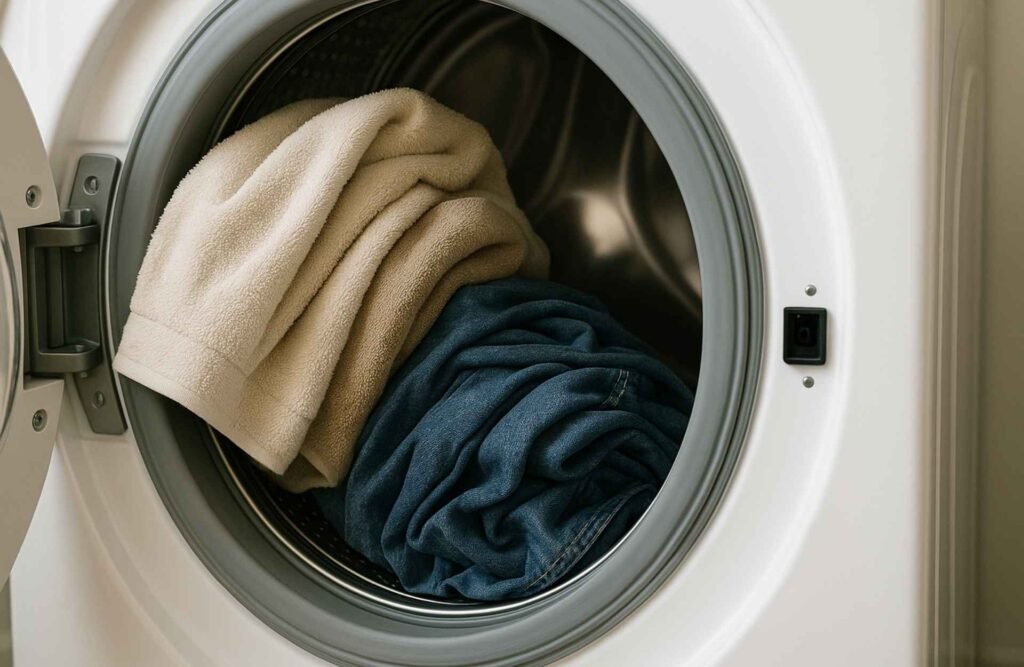
Fix: Pause the cycle, open the lid, and rearrange your clothes evenly inside the drum. Mix heavy and light items to distribute weight properly. Then restart the spin cycle.
2. The Lid or Door Switch Is Faulty
Your washer is designed not to spin unless the lid or door is securely locked this is a built-in safety feature. If the switch or latch is damaged or misaligned, the machine won’t receive the signal to start spinning.
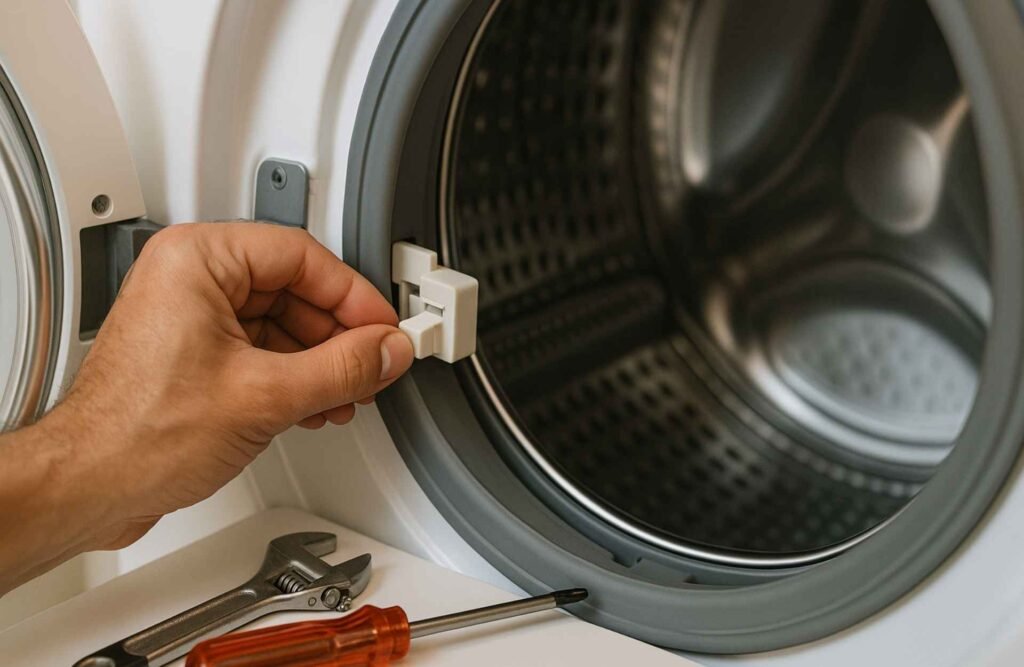
Fix: Close the lid firmly and listen for a small “click.” If there’s no sound or resistance, the switch might need replacement. This is a relatively simple and inexpensive repair.
3. Water Isn’t Draining Properly
If there’s standing water in the drum, your washer won’t move to the spin cycle. A clogged drain hose or filter is often to blame.
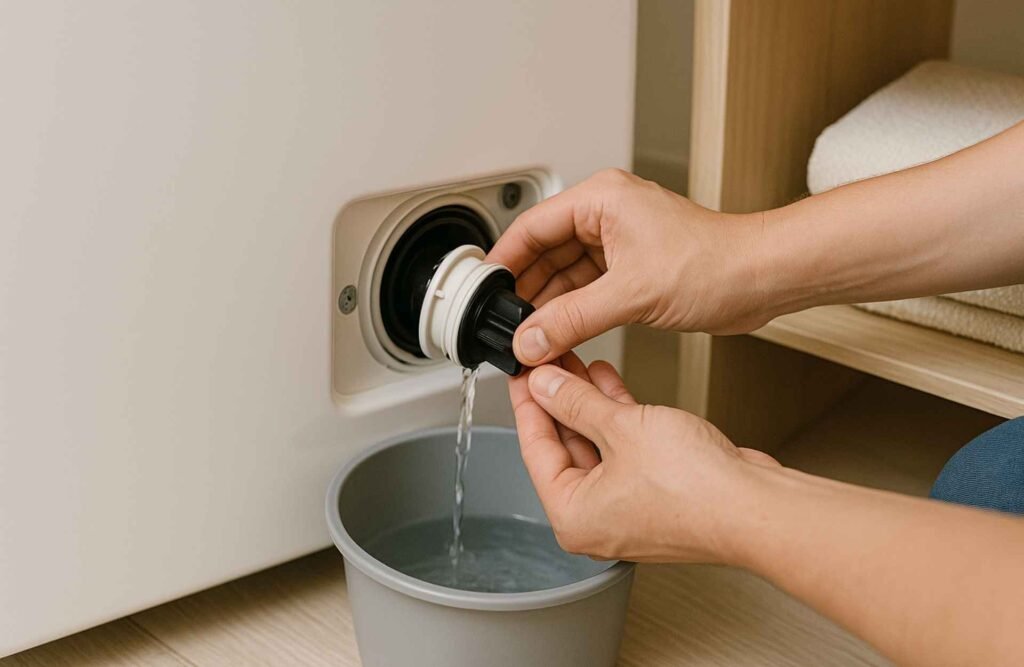
Fix: Locate the drain filter (usually at the bottom front of the washer) and clean out lint, coins, or debris. Make sure the drain hose isn’t twisted, blocked, or frozen. If water still won’t drain, your pump could be faulty and may require professional servicing.
4. Worn or Broken Drive Belt
The drive belt connects the motor to the drum. If it’s loose, cracked, or broken, the motor will run but the drum won’t spin.
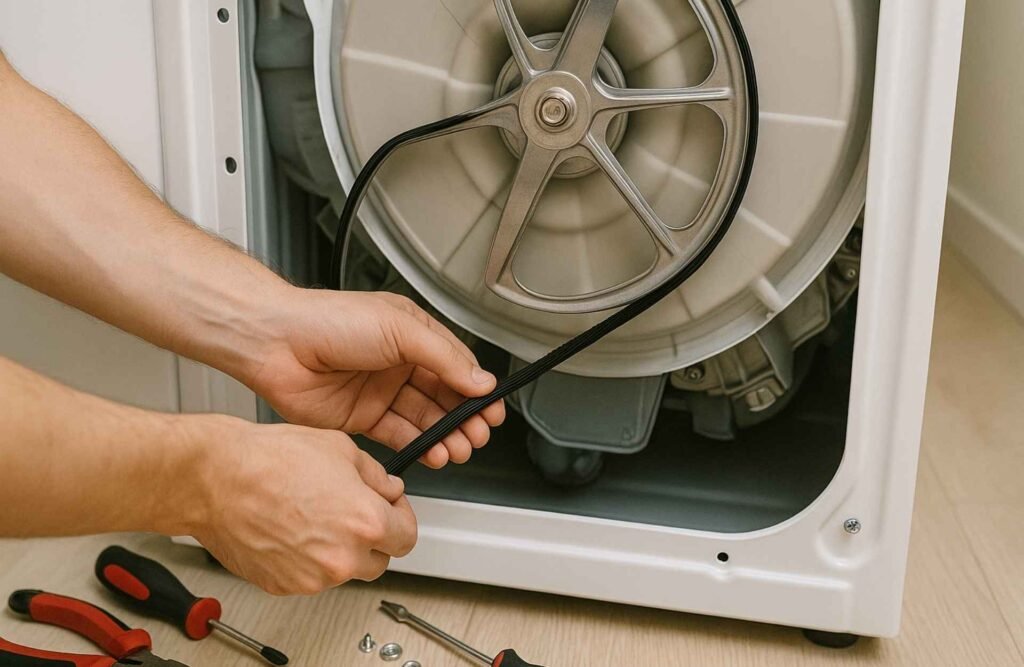
Fix: Replacing the belt usually restores normal operation. Because this involves opening the back panel, it’s best handled by a qualified technician.
5. Motor or Capacitor Problems
If your machine fills with water and drains correctly but doesn’t spin, the motor or its capacitor could be failing. The capacitor provides the initial jolt of power to start the motor, and when it fails, the drum stays still.
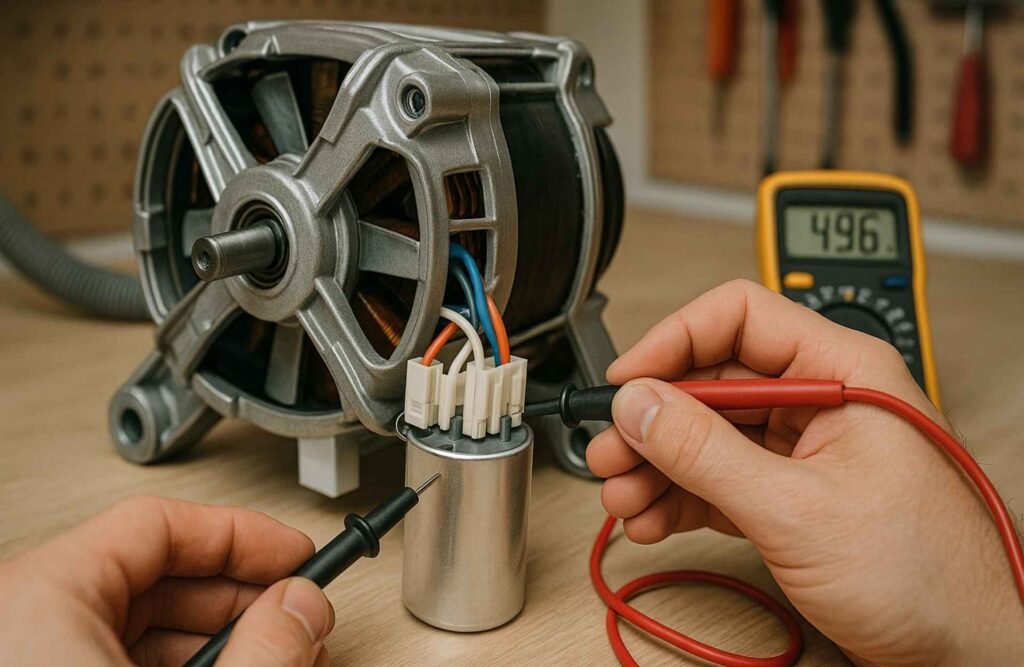
Fix: These components require electrical testing. A professional repair service can determine whether they need repair or replacement.
6. PCB (Control Board) Malfunction
Think of the control board as your washer’s brain. It manages every cycle, speed, and sensor. A damaged PCB can misread signals or stop sending power to the motor during the spin cycle.
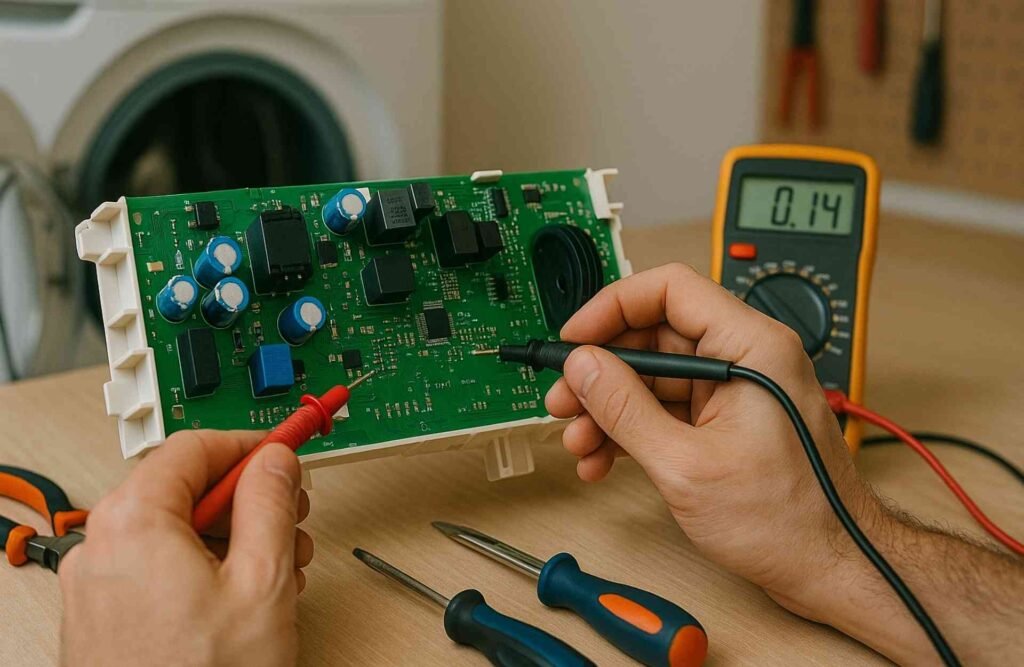
Fix: A technician can diagnose the control board using diagnostic tools. Depending on the issue, it may be repaired or replaced entirely.
7. Suspension or Shock Absorber Damage
Excessive vibration or shaking during spinning often points to worn suspension rods or broken shock absorbers. If these parts fail, the washer may detect too much movement and automatically halt spinning to prevent damage.
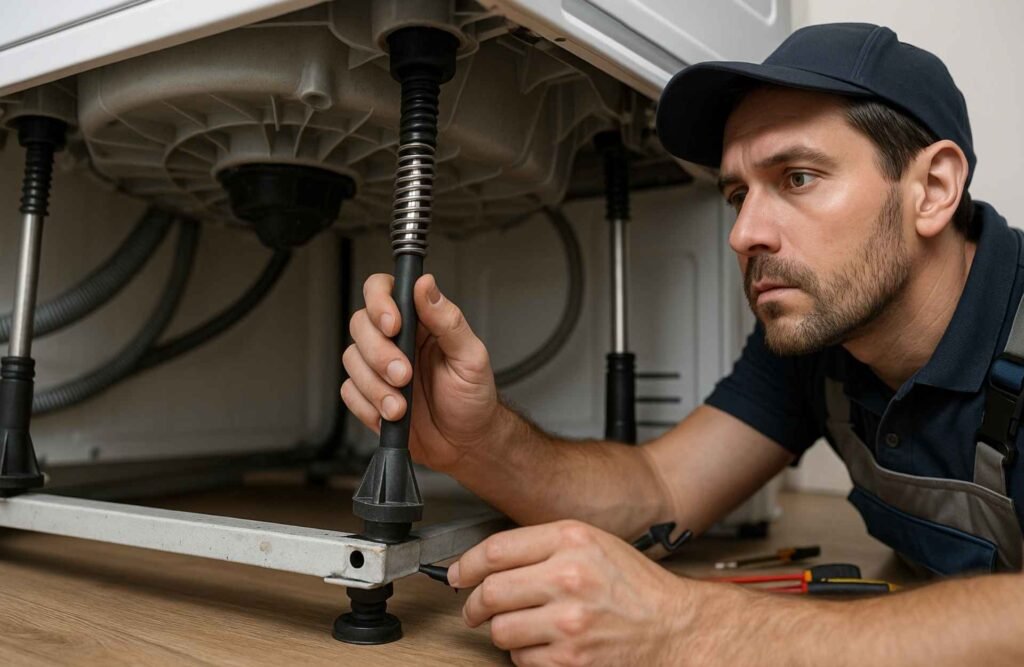
Fix: Have a service expert inspect and replace damaged suspension parts. Rebalancing the machine afterward helps extend its life.
8. Error Codes on the Display
Modern washing machines display error codes (like UE, E3, or LE) when something goes wrong during spinning. These codes can indicate unbalanced loads, motor issues, or drainage problems.
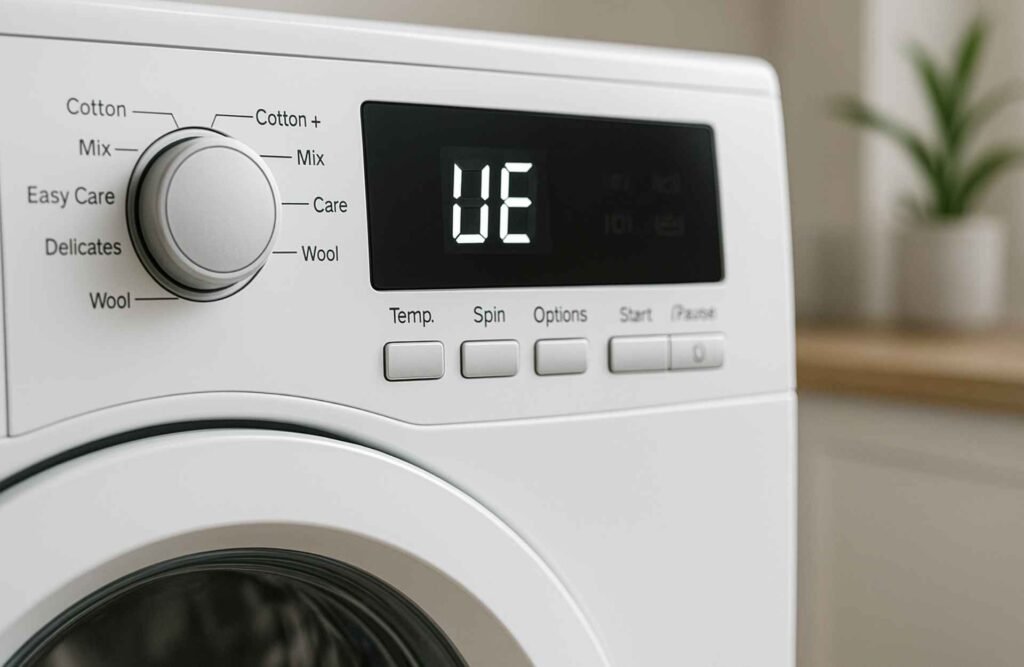
Fix: Check your user manual or the manufacturer’s website to decode the error message. Unplug the washer for a few minutes to reset it, then restart the cycle to see if the issue clears.
When to Call a Technician
If you’ve checked the basics and your washer still won’t spin, it’s time to get professional help. Pak Repair Point provides same day automatic washing machine repair in Islamabad and Rawalpindi, covering motor, belt, pump, and PCB problems. Technicians arrive at your doorstep with genuine parts and ensure your appliance works safely before leaving.

FAQ:-
1. Why has my washing machine stopped spinning suddenly?
This can happen due to an unbalanced load, faulty lid switch, or drainage issue. Start by redistributing clothes and checking for blocked filters before calling a technician.
2. Can a washing machine spin problem be repaired at home?
Minor issues like load imbalance or blocked filters can be fixed at home. However, electrical faults, motor issues, or PCB damage require professional repair.
3. How much does it cost to fix a washing machine that won’t spin?
Repair costs vary by issue. Simple fixes are affordable, while electronic or motor problems may need expert inspection first.
4. Why does my washer make a loud noise and stop spinning?
A loud banging or rattling sound often indicates a damaged shock absorber or loose drum parts. The washer’s safety system then halts the spin cycle automatically.
5. How often should I service my washing machine to prevent issues?
Professional maintenance once every six months keeps your washer in top condition and prevents motor, drainage, and belt problems from developing.
Conclusion
A washing machine that refuses to spin can be stressful but in most cases, the fix is simple once you identify the cause.
Whether it’s a small load imbalance or a worn motor belt, addressing the problem early prevents costly repairs later. If you’re in Islamabad or Rawalpindi and need fast, reliable help, Pak Repair Point is just a call away.
Let professionals handle the complex work while you enjoy the comfort of clean, dry clothes again.
Leave a Reply